Because it’s too expensive, and we’re in for big expenses.
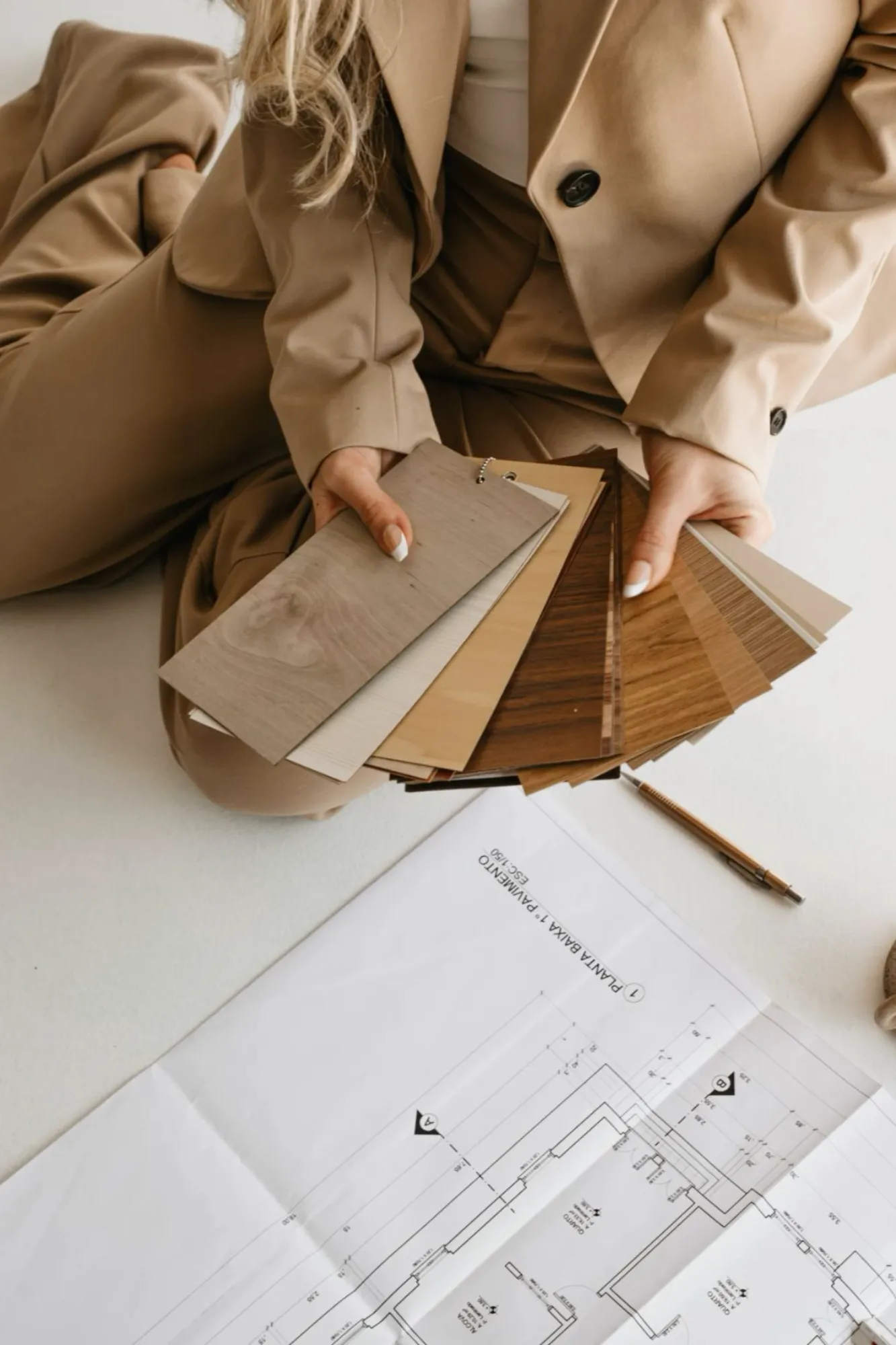
A design project costs about the same as 1 sofa or 2 dental implants. It all depends on the area and range of services, terms and style. But unlike teeth, it pays for itself. The design is not only a well-structured project with working plans and a clear vision of what you’ll get at the end of this adventure, but also a few pounds off on finishing materials, sanitary ware, fixtures, etc.
Advantages of an Interior Designer over Suppliers and Manufacturers
Many clients think they can get a good result by working directly with furniture suppliers, finish manufacturers or builders. However, an interior designer offers much more than just products – they create a coherent and functional vision.
Here are the main advantages:
1. Access to premium suppliers and better prices:
- Designers have industry contacts and can get exclusive offers.
- It works with trusted suppliers and recommends quality and tested products.
- They can negotiate discounts on furniture, finishes and decorations, saving you money.
- It offers premium alternatives not available in traditional showrooms.
2. Avoiding costly mistakes
- The suppliers sell to you, the designer helps you make the right choice.
When you buy without a clear plan, you run the risk of making the wrong choices: wrong sizes, mismatched colors, inconsistent materials.
3. Strategic thinking and personalization.
Suppliers and manufacturers sell products, the designer creates customized solutions.
A supplier will give you what they have in stock, while a designer will:
- Analyze your lifestyle, needs and budget.
- Propose unique and functional solutions, not just standard.
- Coordinates the whole project, integrating all elements harmoniously.
A well-done interior design project is not enough if there is no authorial oversight.
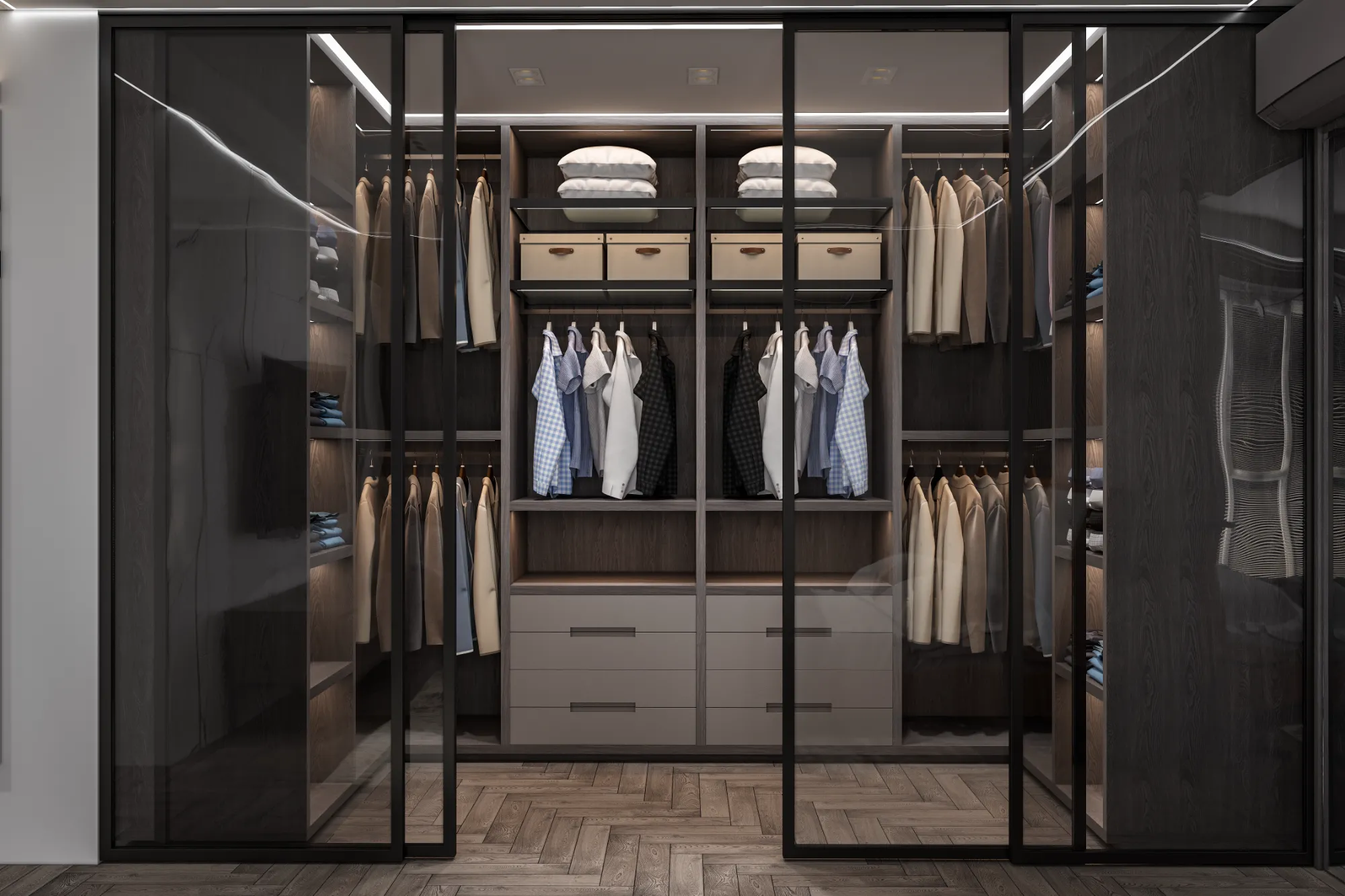
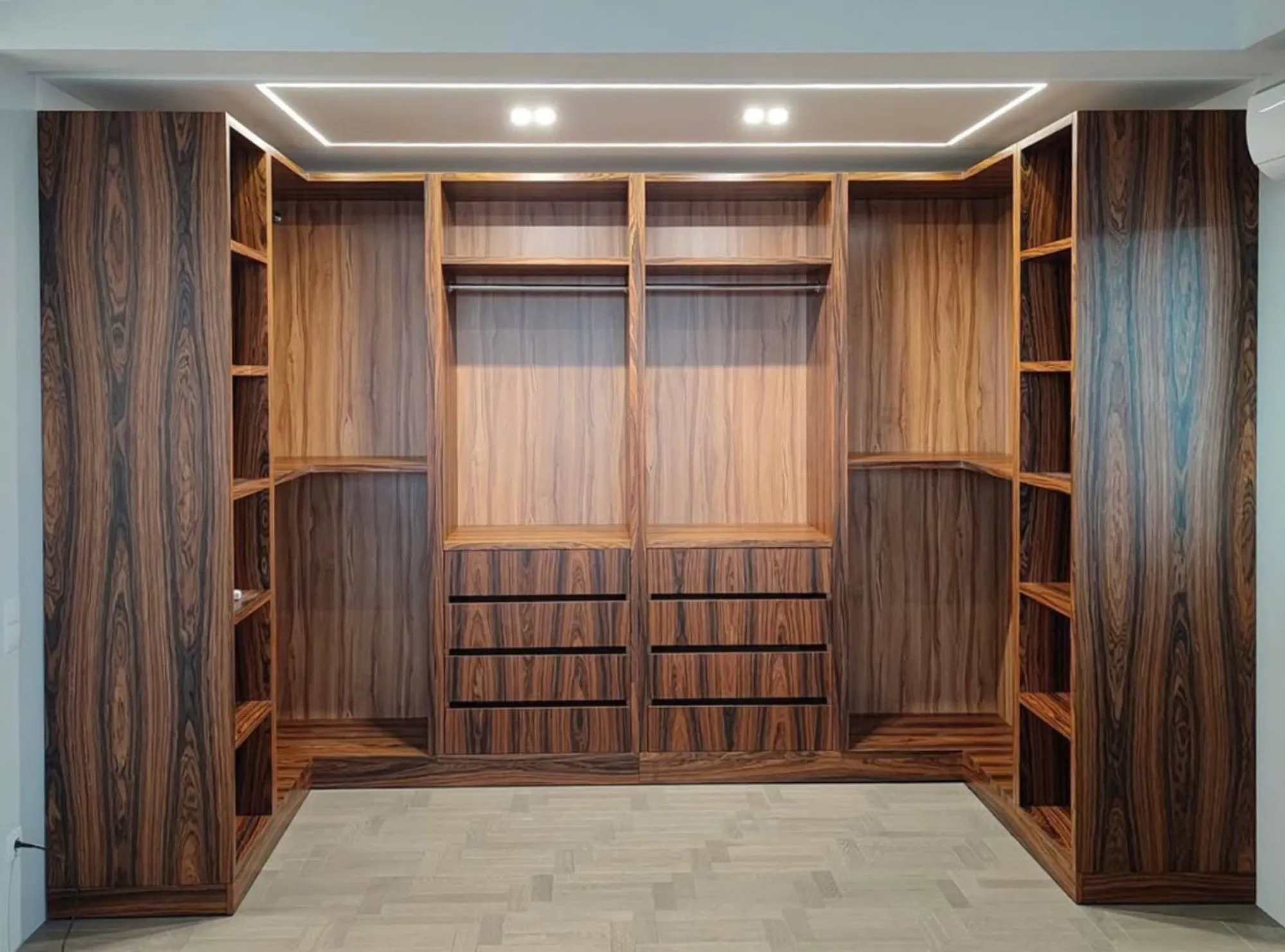
Example Project:
Wrong choice of materials in reality.
Problem: Builders or clients may substitute certain materials in the design without considering the final effect.
4. Project coordination and management.
Suppliers deliver the products, the designer manages the whole process.
- The designer creates a detailed plan before work begins.
- Coordinate craftsmen and suppliers to avoid delays.
- Oversee assembly and implementation to ensure a perfect result.
Example:
A customer ordered tiles and furniture separately, but realized on installation that the dimensions did not match. A designer would have planned ahead and avoided this problem.
5. Functional design, not just aesthetics.
A designer thinks space from all perspectives: ergonomics, light, color psychology.
- Strikes a balance between beauty and utility.
- Propose innovative solutions to optimize space.
- Create ambience and atmosphere through lighting, colors and textures.
Conclusion: Why choose a designer?
- You’ll have a personalized space, not just a set of products.
- You’ll avoid costly mistakes.
- You’ll save time and money.
- You will have a coherent, well-coordinated project.
If you want an interior perfectly tailored to your style, choose an interior designer. Not only does it pay for itself, it transforms your home into a unique and functional space!